
Mounted bike accessories can change a ride before the first traffic light turns green. A cleaner cockpit, faster rolling tires, a better rear hub, a steadier phone mount, or a compact light fixed in the right spot can deliver an immediate performance boost because the improvement is practical, not theoretical. The rider feels it through sharper control, lower drag, easier shifting, improved safety, and less wasted energy. No grand workshop ceremony required. A 4 mm hex key, 12 minutes on the curb, and a little patience can already make a familiar bike feel more alert.
Picture Maya, a spirited club rider who commutes during the week and hunts hilly roads on Sunday mornings. Her bike was not slow, but it felt cluttered, noisy, and slightly nervous on rough lanes. After fitting a secure out-front computer mount, grippier tubeless-ready tires, a small handlebar extender, and a brighter rear light, the same 38 km loop felt calmer and more efficient. She still missed one valve adapter on the first attempt (a classic tiny-part disaster), but the gain was obvious. For amateurs and semi-professional cyclists alike, smart bike accessories are often the fastest route to better bike performance without replacing the whole machine.
Performance Bike Mounts and Cockpit Accessories That Improve Control Instantly
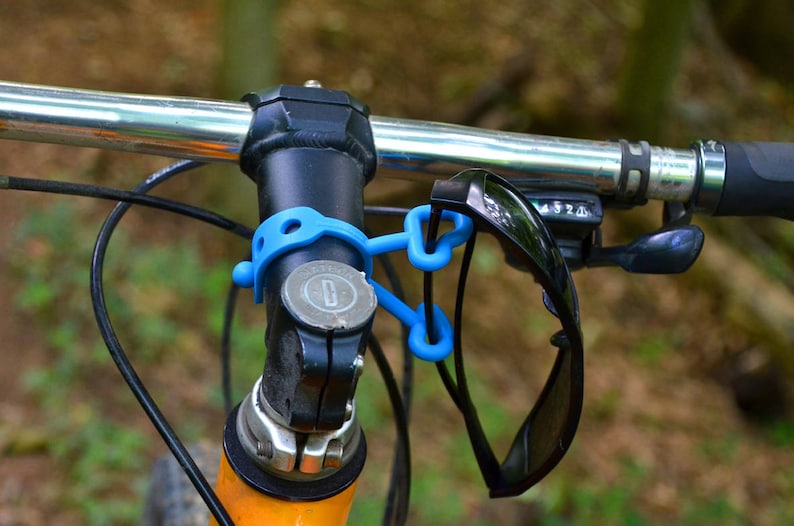
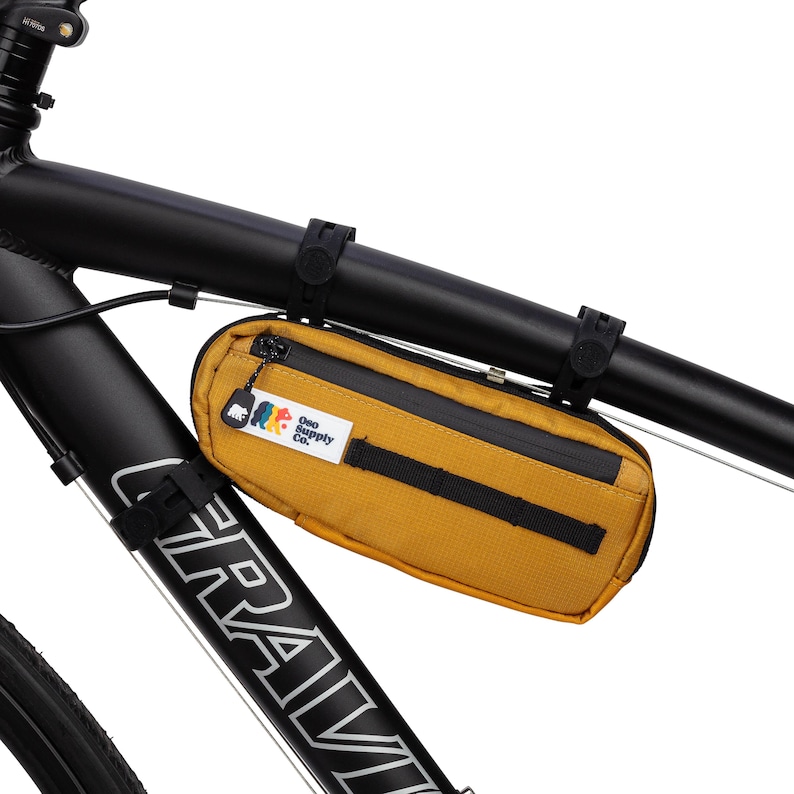
The cockpit is the first place to look for quick, visible bike upgrades. A handlebar loaded with a phone, light, bell, GPS unit, and action camera can become a small city market at rush hour. Funny to see, less funny at 32 km/h on a bumpy road. A well-positioned out-front mount solves this by placing the computer or smartphone in the rider’s natural line of sight, which means less head movement, fewer distractions, and smoother pacing.
Out-front mounts, phone holders, and handlebar extenders for cleaner bike performance
A quality aluminum or reinforced composite computer mount improves more than neatness. It helps the rider check cadence, speed, heart rate, and navigation without twisting the wrist or dropping the chin too far. Data-hungry sensors paired with a smartphone, ANT+ device, or bike computer can collect distance, speed, and cadence in real time, then send the ride to a training platform with one tap after the effort. That is useful on a 90-minute tempo ride, but also on a 7 km commute where timing lights and avoiding overexertion matter.
A waterproof smartphone bike mount is especially helpful for urban cyclists and touring riders. The main function is simple: keep the phone stable, visible, and protected. The performance gain comes from better navigation and fewer stops. Anyone who has missed a turn in a medieval town center or a tangled industrial district knows how quickly a “short ride” becomes 18 extra minutes. A secure clamp with rubber inserts should grip 25.4 mm, 31.8 mm, or 35 mm bars depending on the bike, while still allowing charging cable clearance.
Handlebar extenders are less glamorous, but they can be brilliant. A 30 cm aluminum accessory bar creates space for a light, bell, GPS, or small camera without crowding the grips. The benefit is strongest for commuters, bikepackers, and e-bike riders who carry extra cycling gear. The trap is overloading it. Too much weight forward can make steering feel dull, especially on small frames or steep gravel descents. A practical rule: mount the heaviest item closest to the stem and keep anything fragile away from brake hoses.
Installation is usually a quick install job. Clean the bar, check the diameter, tighten bolts gradually in an X pattern where applicable, and stop at the printed torque value if one is listed. Many mounts ask for 2 to 6 Nm, not “as tight as possible.” The cheerful little truth is this: a tidy cockpit makes the whole bike feel smarter before the legs have even warmed up.
Once the hands, eyes, and data are sorted, the next gains come from the parts that meet the ground and transmit power.
Mounted Wheel, Tire, and Hub Accessories for Faster Rolling and Better Stability
Wheels and tires give the most immediate sensation of bike enhancement because every meter passes through them. Fit the wrong tire pressure or a tired old rubber compound, and even a superb frame feels sleepy. Fit the right mounted tire system, valves, sealant setup, and hub, and the bike suddenly rolls with less chatter. On rough lanes, forest tracks, or local enduro stages, that can be the difference between holding speed and wrestling the handlebars like a stubborn suitcase.
Tubeless valves, grippy tires, and near-silent hubs for real performance boost
Modern tubeless-ready tires are popular because they reduce pinch flats, allow lower pressures, and improve traction. A rider on 700 x 40 gravel tires might drop from 45 psi with tubes to about 34 psi tubeless, depending on weight and terrain. That small number changes comfort dramatically. The contact patch grows, the bike skips less over broken asphalt, and cornering feels calmer. Newer grappling-style tire designs aim to simplify confusing tire lineups by giving dependable grip across mixed trails, hardpack, and damp roots rather than forcing riders to guess between six nearly identical tread patterns.
Quick-fill tubeless valves and sealant injectors are clever mountable parts because they save time and mess. The function is not glamorous: they help seal air efficiently and refresh sealant without peeling half the tire off the rim. The advantage appears at 7:20 a.m., when a tiny thorn from yesterday’s ride has left the rear wheel soft and the group leaves in 15 minutes. A rider who has once sprayed sealant across a kitchen floor will appreciate a controlled injector. Mistakes happen, and sealant has a talent for finding black jeans.
Rear hubs deserve attention too, especially on mountain bikes. Performance-oriented hub systems inspired by designs like Sidekick 2.0 focus on reducing drag, filtering chain vibration, and limiting pedal kickback during suspension movement. Pedal kickback occurs when suspension compression pulls against the drivetrain, creating a harsh feeling through the cranks. By reducing that sensation, the bike tracks better over square-edge hits and stays calmer on steep technical trails. Enduro racers notice it under pressure, while weekend trail riders feel it as less foot fatigue after two hours.
Cassettes and wheel upgrades also matter. Wide-range cassettes with broad compatibility help riders keep an efficient cadence on climbs without swapping the entire drivetrain. That is useful for gravel riders facing 12 percent ramps, eMTB users dealing with heavy builds, and mountain bikers who need bailout gears after a muddy hour. The material choice affects cost and lifespan: steel cogs last well, aluminum saves weight, and mixed constructions balance both.
Before buying, check axle standard, freehub body, rotor interface, tire clearance, and rim internal width. A 2.4 inch trail tire may not suit a narrow older frame, no matter how tempting the tread looks. The best wheel-related cycling accessories do not just add speed. They remove nervousness, and that is often where speed begins.
With rolling resistance under control, the next smart gains come from the rider’s contact points and drivetrain protection.
Mounted Drivetrain and Contact-Point Bike Accessories for Power, Comfort, and Safety
A bike can have a fine frame and fast wheels, yet still waste energy through poor contact points. Pedals, grips, saddle position, stem length, seatpost function, chainring choice, and chain retention all shape how power reaches the road or trail. These mounted accessories are not decoration. They form the handshake between rider and machine, and a weak handshake gets tiring after 50 km.
Pedals, stems, chain guides, and lights that turn effort into motion
Pedals are one of the simplest upgrades with an instant effect. A wide platform pedal with sharp, replaceable pins improves shoe grip on mountain bikes and commuter rigs. Clipless pedals help road and gravel riders maintain a smoother stroke, especially during steady climbs or fast group rides. The benefit depends on the cyclist. A new urban rider may gain more confidence from grippy flat pedals at traffic lights, while a semi-professional rider chasing a 40 km time trial will likely value consistent foot position and power transfer.
Stems and handlebars change handling. A shorter stem can make a trail bike feel more responsive on switchbacks, while a narrower bar may reduce shoulder strain for smaller riders or improve aerodynamics on road setups. Here, chasing trends blindly is a common error. A 780 mm bar looks heroic outside the café, but it may feel clumsy on tight woodland paths or narrow city gates. Better to measure shoulder width, riding terrain, and brake lever reach before cutting anything. Once aluminum is trimmed, it does not grow back (sadly).
Drivetrain protection brings another practical performance boost. Chain guides, narrow-wide chainrings, and durable cranks help keep the chain engaged over rough ground. For eMTB, MTB, and gravel riding, that stability prevents dropped chains during hard accelerations or choppy descents. A dropped chain on a local climb costs maybe 20 seconds. In a race, it can cost the wheel ahead. In a city crossing, it can become a safety issue.
Mounted safety lights also deserve a performance-minded view. A smart rear light with braking detection or variable flash modes does not make the bike physically faster, but it helps the rider maintain momentum in traffic because cars notice earlier and pass with more space. On winter evenings, a 300-lumen front light fixed low and steady can reveal potholes before they punish the wrists. For commuters, visibility is speed’s quiet cousin.
Installation should stay methodical. Grease pedal threads lightly, remember that the left pedal reverse-threads, align stems with the front wheel, and tighten faceplate bolts evenly. For carbon bars or seatposts, use carbon assembly paste and a torque wrench. Spending 18 euros on paste can protect a component worth 180 euros. That is not glamorous advice, but it is the kind that keeps rides cheerful.
Color and finish can matter too, as long as function leads. Bronze, grey, black, orange-inspired tones, deep purple, or bright custom accents can make a build feel personal without harming speed. The smartest choice balances compatibility, material quality, weight, serviceability, warranty support, and price. Start with the accessory that solves the most annoying problem on the next ride, fit it cleanly, test it for 10 minutes near home, then head for the road or trail while the improvement is still fresh under the hands.


