
Travel memories deserve better than being trapped in a phone gallery between boarding pass screenshots and 14 nearly identical pictures of breakfast. A journey has texture: the bell of a tram at 7:18 in the morning, the smell of grilled corn near a night market, the awkward laugh after ordering the wrong pastry, the quiet pride of finding a hidden courtyard without using GPS. Photos matter, of course, but the richest souvenirs often come from combining images, notes, sounds, objects, and stories into one living archive.
There is also a tender, practical reason to take memory preservation seriously. Research frequently links happy recollection with reduced stress, stronger optimism, and better emotional connection. Psychology Today has reported that intentionally revisiting positive memories can help interrupt negative thought patterns and lower cortisol levels. That makes a well-kept travel archive more than a vanity project. It becomes a small wellness ritual, especially when shared with family over coffee, projected on a living room wall, or revisited on an ordinary Tuesday when the rain is being dramatic.
The finest approach is not complicated. It is layered. A sharp photo captures the light. A note captures the mood. A ticket stub proves the place was real. A 22-second video brings back the voice of the street musician who played near platform 6. When these fragments work together, memory reliving becomes vivid, almost cinematic, and wonderfully personal.
How to Capture Travel Memories Like a Pro Before They Fade
Professional-looking travel documentation begins while the trip is still unfolding. The trick is to capture enough to tell a story without turning every meal, street corner, and sunset into a performance. A cheerful rule works well: take the picture, write the detail, then put the device away for at least 10 minutes. That small pause leaves room for the real memory to form.
Use Travel Photography to Tell a Clear Visual Story
Good travel photography is not about owning expensive equipment. It is about noticing. A phone camera can produce excellent results when the traveler thinks in layers: foreground, subject, background, and light. At a harbor, for instance, a simple image of blue boats becomes stronger when a rope coil fills the lower corner, a fisherman repairs a net in the middle, and pale morning buildings sit behind him. Suddenly, the picture has depth.
Light matters more than people admit. The first hour after sunrise and the last hour before sunset soften faces, stone walls, market stalls, and even tired shoes. Midday sun can be harsh, especially in whitewashed towns or open plazas. If that happens, shade is a friend. A portrait taken beside a café awning at 12:40 can look warmer than one taken under direct sun at 12:35, even if the location is less famous.
Spontaneity brings the sparkle. A child chasing pigeons near a fountain, steam rising from dumplings, a guide laughing after mispronouncing a village name, these moments often feel more alive than posed landmark photos. One couple, Maya and Leo, returned from Lisbon with 612 images, but their favorite was blurry: Leo trying to balance two custard tarts and a paper map in a windy square. Technically imperfect, emotionally perfect. That is the kind of photograph people actually revisit.
Practice Travel Journaling While Details Are Still Fresh
Travel journaling protects the details the camera misses. A notebook entry does not need to be poetic. It can be three lines written before sleep: “Room 312 had a squeaky fan. Dinner cost 18.70 euros. The waiter called the soup ‘grandmother medicine’ and laughed for nearly a minute.” Later, those details carry more life than a polished paragraph written from memory two months after returning home.
A postcard to oneself works beautifully because the space is limited. There is no pressure to write a masterpiece. A traveler can note the smell of a spice shop, the name of a kind bus driver, or the exact moment a storm ruined the beach plan and improved the day by sending everyone into a tiny bakery. Some hotels still mail cards if postage is provided, although slipping them into luggage is more reliable when the post office is closed or the stamp machine refuses foreign cards.
A digital travel diary can complement paper notes. Voice dictation after a long walking day is especially useful. A 90-second recording made at 11:06 p.m. may preserve fatigue, excitement, and the funny complaint about sore calves far better than typed text. The main idea is simple: record what made the day different from every other day. The small truth is the souvenir.
For travelers who enjoy visual learning, practical photography tutorials can sharpen the eye before departure and make the first day of shooting less clumsy.
The strongest capture system is not the fanciest one. It is the one used every day, even for 4 minutes, while the smell, sound, and color of the place are still close.
Creative Memory Preservation With Videos, Sounds, Souvenirs, and Scrapbooks
Once the essential moments are captured, creativity takes the lead. Memory preservation becomes richer when it includes movement, sound, texture, and objects that can be touched. A printed ticket from a mountain train, a short clip of rain hitting a tin roof, or a handmade bowl from a market can revive a place instantly. This is where preserving a journey starts to feel less like filing and more like collecting pieces of a good life.
Create Short Videos and Vlogs That Capture Atmosphere
Short videos are powerful because they carry sound and rhythm. A 15-second clip of a ferry horn, gulls, and passengers dragging suitcases across metal flooring may recall a coastal morning better than 25 still images. The goal is not to film everything. It is to record transitions: opening a hotel window, stepping into a busy square, crossing a bridge at dusk, hearing musicians tune their instruments before a street performance.
For a polished result, shoot in small sequences. Capture 5 seconds of a street sign, 8 seconds of feet walking over cobblestones, 12 seconds of food arriving, and 7 seconds of a skyline. Later, those fragments can become a tight one-minute travel film. Add location captions, gentle music, and a few natural sounds kept at full volume. The clink of cups in a Naples café or the chatter of vendors in a Moroccan market should not be buried under dramatic music.
There will be mistakes. Wind can wreck audio. A thumb may appear in the corner. Maya once filmed an entire flamenco rehearsal with the lens slightly smeared by sunscreen, which gave the dancers a ghostly glow nobody had requested. Still, one clean sound clip from that evening, the sharp heel strikes on wooden floorboards, became the most replayed file from the trip.
Turn Travel Souvenirs Into Everyday Memory Triggers
Travel souvenirs work best when they do not disappear into a drawer. Useful objects keep memories active. A ceramic serving bowl from Istanbul can bring back a crowded bazaar every time olives are placed inside it. A small Moroccan teapot can turn a Sunday afternoon into a return ticket. Even supermarket finds carry charm: honey cream from Greece, black soap from Ghana, saffron tins, or a local dish towel printed with a fish market map.
Make-and-take workshops are especially memorable because the object carries the story of making it. A traveler who blends perfume in Nice during a one-hour scent workshop does not simply bring home a bottle. The scent may hold citrus peel, jasmine, nervous laughter, and the instructor’s patient correction after the third overly enthusiastic drop of vanilla. Smell is a champion of memory reliving, sometimes faster than sight.
Build Travel Scrapbooking Pages With Personality
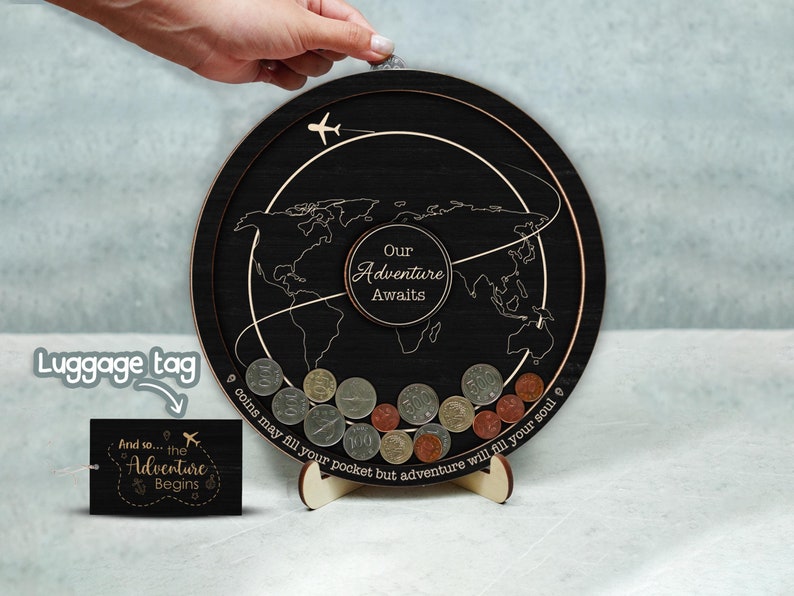
Travel scrapbooking gives physical fragments a proper stage. Tickets, receipts, maps, coins, coasters, museum wristbands, luggage tags, and handwritten notes can sit beside printed photos. The page does not need glitter or perfection. A clean layout with dates, place names, and one honest caption is enough. For example: “Bus 42 was 17 minutes late, but the view over the valley made everyone forgive it.”
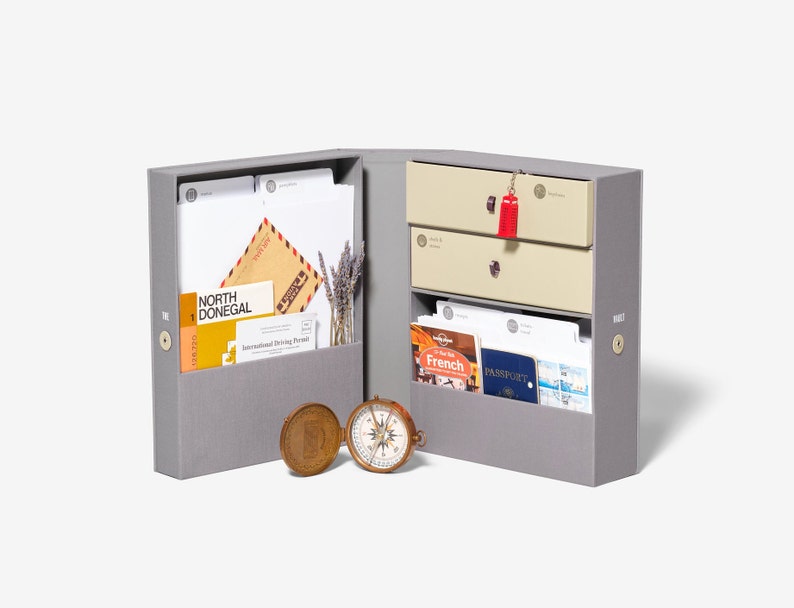
A memory box offers a simpler version for busy travelers. Use one box, envelope, or file folder per destination. Add small notes directly on scraps when possible: “best coffee, 2.10 euros,” “rain started at 4:22,” “restaurant owner drew the map.” Years later, these tiny annotations save the story from becoming vague.
For anyone shaping video memories into short films, a focused editing lesson can make clips more watchable without making them feel artificial.
The most lovable keepsakes are not always expensive. They are the ones that still know what happened.
Organize, Back Up, Print, and Share Travel Memories for Years
A beautiful archive can collapse into chaos if it is not organized soon after the suitcase is unpacked. The first 72 hours after returning home are golden. Energy is still high, names are still recognizable, and the camera roll has not yet merged with grocery photos and screenshots of restaurant menus. Good photo organization does not kill spontaneity. It protects it.
Create a Simple Photo Organization Routine
Start by deleting obvious duplicates, accidental floor shots, and the 19 nearly identical sunset attempts where only 3 are truly strong. Then create folders by destination and date, using clear names such as “Portugal, Porto, 2026, Day 2, Riverside Walk.” This may sound plain, but plain names are searchable. Future happiness often depends on boring file names.
Choose favorites quickly. A useful method is to mark the top 30 images from a weeklong trip, then narrow those to 12 for printing or album design. The chosen photos should include variety: people, landscapes, food, transport, quiet details, and one imperfect moment with personality. A gallery made only of monuments can feel cold. Add the wrinkled train ticket, the laughing face, the pastry crumbs, and the hotel balcony view at 6:51 a.m.
Digital tools are excellent for sorting, tagging, mapping, and sharing, especially when building a digital travel diary. The best tools allow captions, dates, locations, and private albums. They should feel easy enough to use on a tired evening, because the perfect system that nobody opens is just decoration.
Protect Digital Files With Multiple Backups
Backing up files is not glamorous, but neither is losing 1,400 photos because a phone took a swim in a hotel pool. Keep at least three copies: one on the main device, one on an external drive, and one in secure cloud storage. For major trips, back up during the journey whenever reliable Wi-Fi appears. A small evening routine after dinner can save an entire adventure.
Videos deserve special care because they are large and easy to forget. Rename key clips with location and subject, such as “Kyoto morning temple bells 06-12” or “Dublin pub musicians 22-03.” Sound recordings should be treated the same way. Market chatter, waves against rocks, train announcements, and regional accents create atmosphere that photographs cannot fully hold.
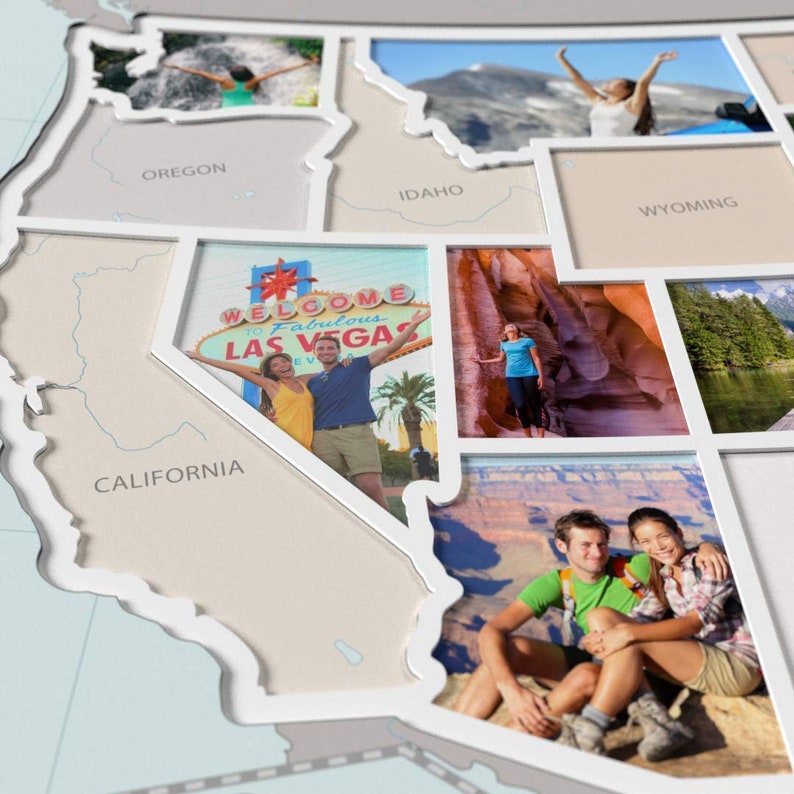
Printing is the antidote to digital disappearance. Select a handful of images for a wall, desk frame, or seasonal rotation. A custom photo book once a year can become a family ritual, especially when captions include real details rather than generic labels. “Lunch in Palermo” is fine. “Swordfish sandwich, 6 euros, eaten standing beside the loudest scooter in Sicily” is better.
Share Travel Memories Through Storytelling and Small Rituals
Storytelling keeps journeys alive beyond the traveler. A dinner inspired by a destination can be more meaningful than a slideshow marathon. After a trip to Hawai‘i, for example, a family meal with pineapple, papaya, mango, and ukulele music can recreate atmosphere without pretending the living room is a beach. The point is not accuracy. It is emotional transport.
Presentations work best when short and shaped like a story. Instead of showing 300 images, choose 18 and arrange them around a theme: “the day the plan failed,” “the best meals under 10 euros,” or “five strangers who helped.” People lean in when there is tension, humor, and a human thread. Nobody needs every cathedral ceiling, but everyone enjoys hearing how a missed bus led to the best soup of the trip.
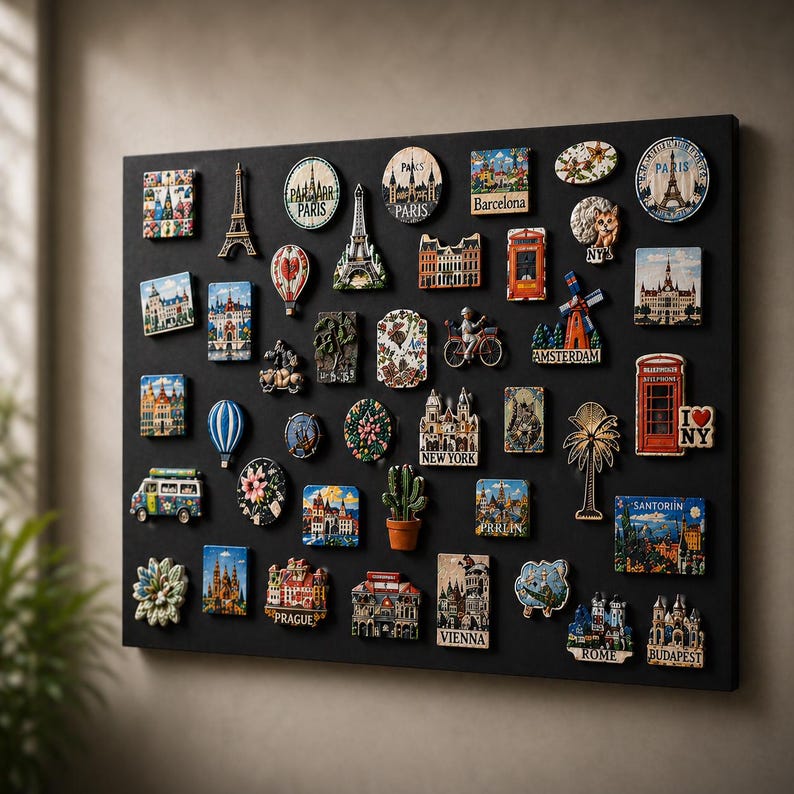
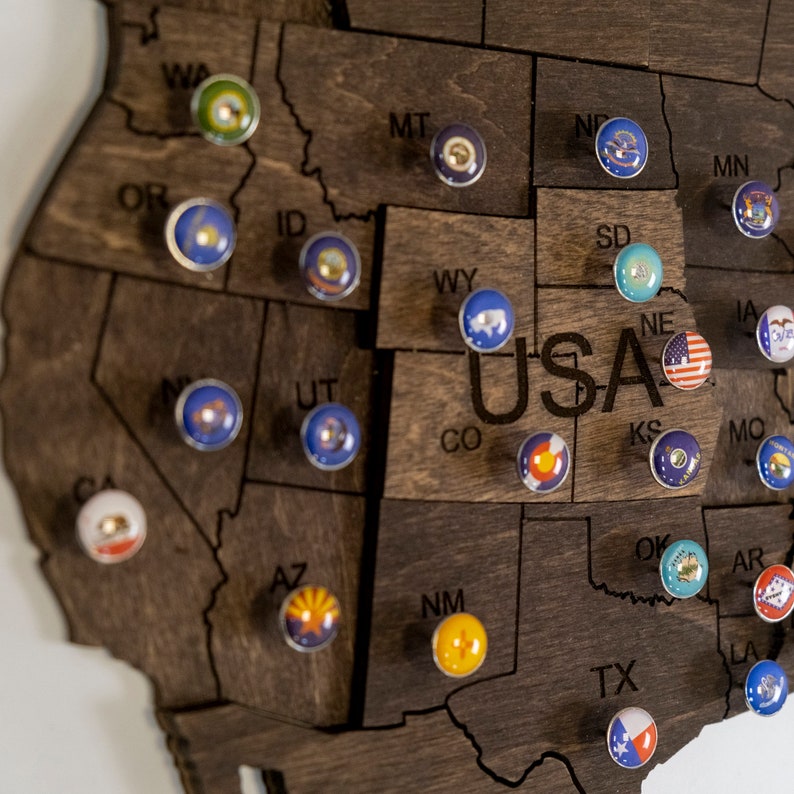
Visible collections also help. Destination stickers on a hard-sided suitcase, handmade ornaments, framed postcards, or a shelf of practical objects can turn a home into a quiet map of lived experiences. The real secret is to place memories where daily life can bump into them. Tonight, choose 12 favorite images from the last journey, print 3, label every file clearly, and ask one person which travel story they want to hear first.


